
Disclosure: As an Amazon Associate I earn from qualifying purchases. How this site works
How Many Treats Can a Puppy Have?
Treats should add up to no more than about a tenth of your puppy’s daily calories. Here is how to turn that into a number of treats.
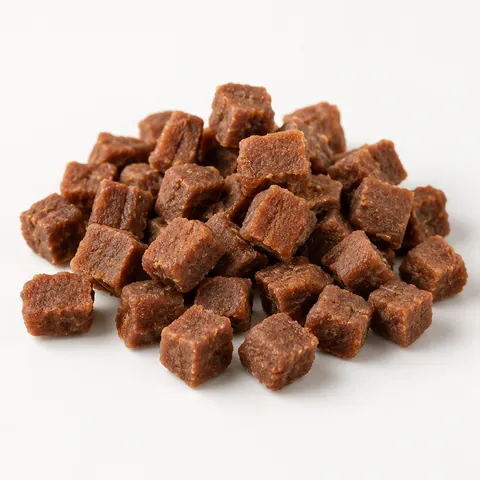 Soft puppy training treats
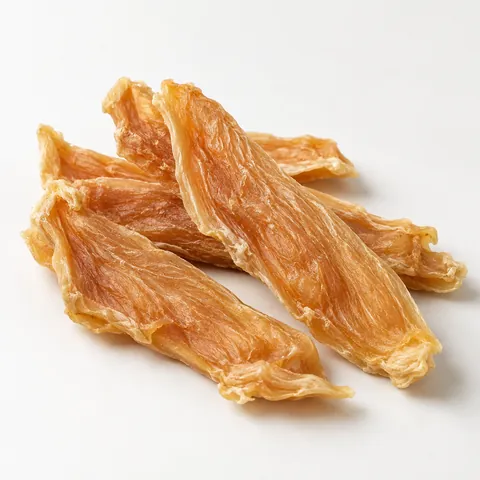 Single-ingredient treats
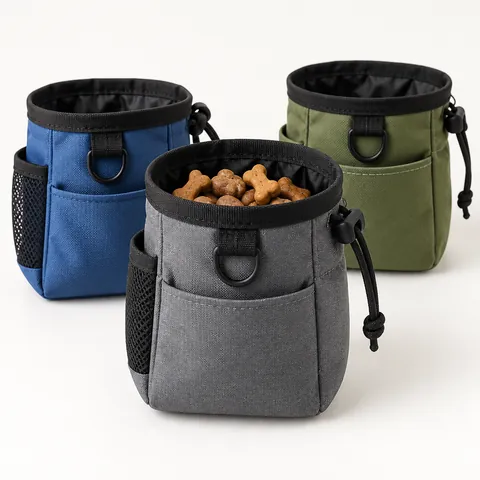 Treat pouches
The 10% guideline
Veterinary guidance commonly suggests treats make up no more than about 10% of a dog’s daily calorie intake so the diet stays balanced. Your vet can tell you your puppy’s daily calorie needs, or you can use the feeding guide on the puppy food as a starting point: the calories in the recommended daily amount of food approximate the daily total.
Worked example
| Step | Example |
|---|---|
| Daily calories (from vet or food label) | 800 kcal |
| 10% allowance for treats | 80 kcal |
| Calories per training treat (label) | 3 kcal |
| Treats per day | About 26 |
For heavy training days, use part of the daily kibble as rewards and reduce meals by the same amount, so total calories stay the same.
Tips
- Break treats into smaller pieces to double the rewards.
- Count treats into a pouch in the morning so you know the day’s allowance.
- Include chews and table scraps in the 10%.
- Recheck calorie needs as your puppy grows.
How do you find calories per treat on the package?
The number you need is usually listed as kcal per treat, kcal per piece, or kcal per serving. In pet food labeling, kcal means the same thing most people call Calories on human food labels. If the bag gives calories by weight instead of by treat, use a kitchen scale once, write down the estimate, and keep that note near the treat jar.
| What the label says | How to use it |
|---|---|
| 3 kcal per treat | Divide the daily treat-calorie allowance by 3. |
| 30 kcal per 10 treats | Treat each piece as about 3 kcal. |
| 300 kcal per 100 g | Weigh a small handful, calculate calories for that weight, then divide by the number of pieces. |
| No calorie information | Use it sparingly or choose a treat with clearer labeling. |
Do not assume tiny treats are automatically low-calorie. Dense treats, jerky-style pieces, cheese, peanut butter, and chews can use up the allowance quickly. If calorie information is missing or hard to compare, single-ingredient treats can be easier to evaluate because the ingredient list is short, though you still need to check calories and serving guidance.
What size should puppy training treats be?
For training, the best treat is usually much smaller than a snack you would hand out just because your puppy is cute. A good rule of thumb is pea-size for many puppies, and even smaller for toy breeds. The treat only needs to tell the puppy, “That was the right choice.” It does not need to be a full bite.
- Use soft pieces that can be swallowed quickly so the training session keeps moving.
- Break larger treats before the session starts instead of pausing after each reward.
- Avoid hard chunks that make a young puppy stop and chew for a long time during fast practice.
- For very small puppies, pinch off crumbs or shave a soft treat into tiny bits.
- For large-breed puppies, keep pieces small anyway; the reward frequency matters more than the size of each piece.
Soft treats are often useful for teaching new skills because they are easy to divide and quick to eat. If you are comparing options, look for soft puppy training treats with clear calorie information and pieces that can be split without crumbling into dust.
Which foods count as puppy treats?
Anything outside the measured puppy food should count toward the treat allowance. That includes packaged training treats, biscuits, dental chews, bully sticks, lick mats, stuffed toys, pieces of chicken, cheese, fruit, vegetables, and table scraps. If it adds calories, it belongs in the daily total.
This matters most on days when several people are rewarding the puppy. A puppy may get treats during house training, crate practice, leash work, grooming practice, and family playtime. Each person may think they gave only a few, but the combined amount can be much higher than planned.
- Pick one container or pouch for the day’s treats.
- Put the puppy’s daily treat allowance in it each morning.
- Tell family members to reward only from that supply.
- If someone gives a chew or a high-calorie snack, remove some treats or kibble from the day’s plan.
- At dinner, do not refill the container just because it is empty.
A small treat pouch can help when you are working on potty training or leash manners because the rewards are ready at the exact moment your puppy makes the right choice. The pouch does not change the allowance; it just helps you spend it more deliberately.
How should you handle heavy training days?
Some days require more rewards: the first week at home, potty training, puppy class, vet handling practice, nail-trim practice, or a walk in a distracting place. On those days, keep the total food intake steady by using part of the puppy’s regular meal as rewards.
Kibble works well for easy behaviors your puppy already understands, such as coming when called in the kitchen or sitting before a meal. Save higher-value treats for harder jobs, such as ignoring another dog, entering the crate, or staying calm during grooming. This keeps the most exciting rewards meaningful without raising the day’s calories too much.
- Measure the day’s food first, then set aside a portion for training.
- Use kibble for low-distraction practice at home.
- Use tiny higher-value treats for new behaviors or distracting places.
- Shorten sessions if your puppy loses interest, gets mouthy, or seems tired.
- If stools get soft after a treat-heavy day, simplify the treat choices and ask your vet if it continues.
Do not cut a growing puppy’s balanced meals too aggressively just to make room for extras. The point is to keep treats limited so the puppy still gets most calories from a complete puppy food.
When should you use fewer treats?
Use fewer treats, smaller pieces, or more kibble rewards if your puppy is gaining weight faster than your veterinarian expects, leaving regular food behind, having loose stool, or begging constantly between meals. Those signs do not always mean treats are the only issue, but they are a good reason to review the routine.
Also be careful with rich foods. Fatty scraps and large chews can upset some puppies’ stomachs and may add more calories than expected. New treats should be introduced one at a time so you can tell what agrees with your puppy.
If your puppy has a medical condition, is underweight, is overweight, has frequent digestive upset, or is a very small breed with special feeding needs, ask your veterinarian for a specific daily calorie target instead of relying only on the food bag.
Frequently asked questions
Can I give my puppy treats every day?
Yes, most puppies can have treats every day if the amount stays within the daily calorie allowance and the rest of the diet remains balanced. Daily treats are especially useful for house training, name recognition, handling practice, and basic manners.
Should I reduce my puppy’s food if I give treats?
If treats are a small part of the day, you may not need a major meal change. On heavy training days, use some of the measured daily kibble as rewards or slightly reduce meals by the calories given as treats, while keeping most calories from complete puppy food.
Are training treats better than regular dog biscuits for puppies?
Training treats are often easier to use because they are small, quick to eat, and simple to repeat during practice. Regular biscuits can be fine, but they usually need to be broken into small pieces and counted carefully.
What if my puppy will only work for high-value treats?
Use the smallest possible pieces and save those treats for harder tasks or distracting places. For easier behaviors at home, practice with kibble, praise, play, or a lower-calorie treat so the high-value food does not take over the whole daily allowance.
Can too many treats give a puppy diarrhea?
Yes, too many treats or a sudden change in treats can upset a puppy’s stomach. If loose stool happens, stop new extras, return to the regular diet, offer water, and call your veterinarian if it persists, is severe, or comes with vomiting, low energy, or blood.
Disclosure: As an Amazon Associate I earn from qualifying purchases. This site may earn a commission when you buy through its links, at no extra cost to you. Product details come from public manufacturer information; always check the merchant page for current specifications and prices. We have not hands-on tested the products described here.