Disclosure: As an Amazon Associate I earn from qualifying purchases. How this site works
Choosing the Best Training Treats for Your Puppy
The best training treat is one your puppy is excited to work for that does not upset their stomach or their daily calories. Here is how to compare them.
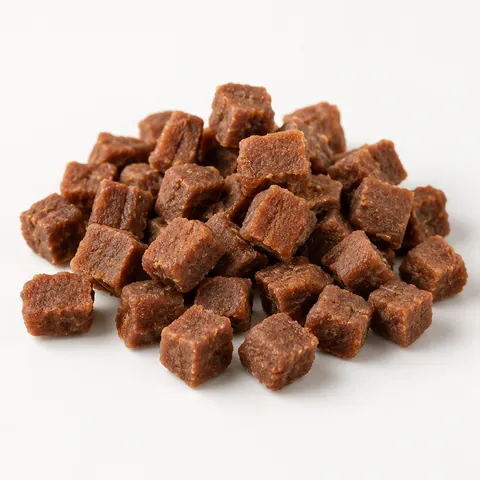 Soft puppy training treats
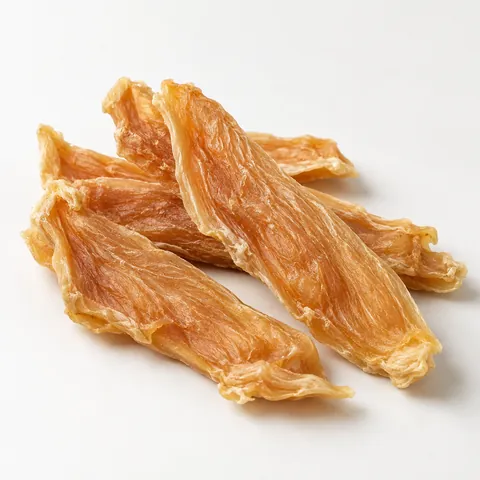 Single-ingredient treats
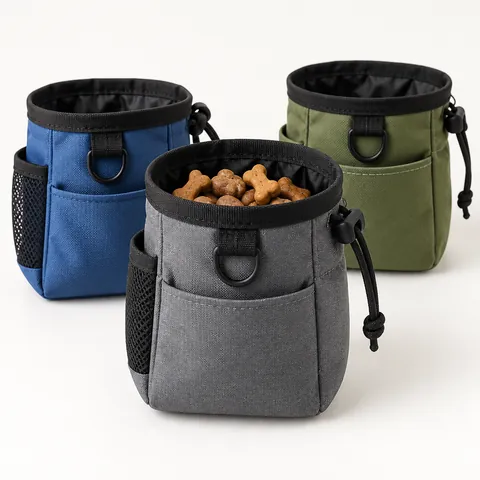 Treat pouches
Picks by situation
| Situation | Look for |
|---|---|
| Everyday home training | Low-calorie soft bites or kibble |
| Busy places and recall | Extra-smelly, high-value soft treats |
| Sensitive stomach | Limited-ingredient or single-ingredient treats (vet advice first) |
| Small breeds | Mini-size pieces under about 2 kcal |
| Crate and chew time | Longer-lasting chews suitable for puppies — not for training |
Compare soft puppy training treats and single-ingredient treats and read the calorie information per piece.
Checklist before buying
- Suitable for puppies and your puppy’s size.
- Calories per treat listed.
- Soft and easy to break.
- Named protein early in the ingredients.
- No xylitol or other toxic ingredients.
- Resealable packaging to keep treats soft.
Try before you stock up
Every puppy has preferences. Buy small packs of two or three kinds, see which your puppy works hardest for, and check stools are normal after introducing each. Then buy the favourite in a larger size.
Carrying treats
A treat pouch clipped to your waist makes rewards quick to deliver and keeps them out of your pockets. Compare treat pouches with a wide opening and a closure that stops spills.
How many training treats can a puppy have in a day?
Use treats as part of the puppy’s daily food allowance, not as unlimited extras. A simple rule is to keep all treats, chews, and table foods to a small share of the day’s calories and let balanced puppy food provide the rest. If your puppy is tiny, growing fast, underweight, overweight, or on a veterinary diet, ask your vet for a daily treat limit.
- Find the calories per treat on the package. If it only lists calories per ounce, weigh or count a serving so you can estimate calories per piece.
- Decide how many rewards you need for the day. A short house-training day may use fewer than a busy puppy class or loose-leash walk.
- Break each treat into several pea-size rewards when possible. Puppies learn from the timing of the reward, not from getting a large piece.
- Set aside part of the puppy’s regular kibble for easy skills at home, then save richer treats for harder situations.
- Watch body condition, appetite at meals, and stool quality. If meals are being ignored or stools loosen, reduce or change treats.
For frequent training, the best setup is usually a mix: mostly kibble or low-calorie pieces for simple repetitions, plus a small amount of higher-value soft puppy training treats for distractions, recall, and new skills.
What size should puppy training treats be?
Training treats should be small enough that your puppy can swallow them quickly and get back to the lesson. A reward that takes several seconds to chew can interrupt the behavior you are trying to reinforce. For most puppies, think crumb-size for toy breeds, pea-size for many small and medium puppies, and no larger than a fingernail for bigger puppies.
| Treat issue | Why it matters | What to do |
|---|---|---|
| Too large | Adds calories fast and slows training | Cut or tear into smaller pieces before the session |
| Too hard | Takes longer to chew and may not feel rewarding in fast drills | Use for calm moments, or choose a softer option for training |
| Too crumbly | Leaves bits on the floor and may distract your puppy | Use a less brittle treat or pre-cut it over a container |
| Too greasy | Can stain pockets and upset some stomachs | Use a pouch liner or switch to a drier treat |
Prep treats before you start. If you are cutting soft treats, make the pieces uneven but tiny; your puppy does not care if they look neat. Keep very rich foods in the smallest pieces you can handle.
Which ingredients are best for puppy training treats?
Look for a short, understandable ingredient list that fits your puppy’s needs. A named animal protein such as chicken, turkey, beef, salmon, or lamb is often easier to evaluate than vague wording. Carbohydrate binders are common in soft treats, but they should not crowd out the ingredient list or make the treat hard to digest for your puppy.
Avoid any treat containing xylitol. Also avoid treats with alcohol, chocolate, grapes, raisins, macadamia nuts, or heavy seasoning. Onion and garlic ingredients can also be a concern, especially in concentrated forms, so skip treats that use them for flavor unless your veterinarian says a specific product is appropriate.
- For a puppy with normal digestion, choose a treat your puppy loves and can eat in small amounts without stool changes.
- For a puppy with itchy skin, chronic loose stool, or repeated vomiting, stop experimenting and ask your vet before trying new proteins.
- For a puppy on a special diet, use vet-approved rewards from that diet when possible.
- For a puppy who gets bored quickly, rotate between two or three safe flavors rather than opening many bags at once.
If you need a very simple option, single-ingredient treats can make it easier to see what your puppy is eating. They are not automatically better for every dog, but they can be useful when you are trying to keep the ingredient list predictable.
How should you use treats during puppy training?
Deliver the treat right after the behavior you want, ideally within a second. The timing matters more than the size of the treat. If your puppy sits, mark the moment with a consistent word such as “yes,” then give the reward where you want the puppy to be, such as at your side for leash work or inside the crate for crate practice.
- Use low-value rewards for easy behaviors in quiet rooms.
- Use higher-value rewards for coming when called, ignoring distractions, nail handling, vet-style handling, and new public places.
- Keep sessions short. Several one- to three-minute sessions usually work better for puppies than one long session.
- Put the treat behind your back, in a pouch, or on a counter between repetitions so your puppy learns to respond to the cue, not just to a visible snack.
- Reward generously when your puppy makes a good choice in a hard situation, then move to an easier distance or quieter spot if they struggle.
A training pouch helps you reward quickly without fumbling through a bag. Choose treat pouches that are easy to open with one hand, close securely, and can be cleaned after holding soft or oily treats.
How do you store puppy treats safely?
Storage affects texture, smell, and safety. Keep the original package until the treats are gone, even if you move some into a pouch or jar, because the label has ingredients, feeding guidance, and lot information. Close the bag tightly after each use and store it away from heat, sunlight, and humidity.
Do not leave soft treats in a warm car, a coat pocket for days, or a damp pouch. Moisture and heat can change texture and may encourage spoilage. If a treat smells sour, looks moldy, feels unusually sticky, or has changed color, throw it away.
- Open one main bag at a time unless you are deliberately comparing options.
- Wash treat pouches regularly, especially after using moist treats.
- Keep puppy treats away from children’s snacks so no one mixes them up.
- Check the package for refrigeration instructions after opening.
- Discard treats by the expiration date or sooner if the package directions say so.
Frequently asked questions
Can puppies eat adult dog training treats?
Sometimes, but check the label first. The treat should be safe for your puppy’s age and size, easy to chew, and used in very small pieces. If the product is hard, large, very rich, or not labeled clearly, choose a puppy-appropriate option instead.
What if my puppy will not take treats outside?
Your puppy may be too distracted, worried, or full. Try a quieter spot, increase distance from distractions, and use a smellier high-value treat in tiny pieces. If your puppy still will not eat, focus on helping them feel safe rather than pushing the training session.
When should I stop using treats for puppy training?
Do not stop all at once. Once a behavior is reliable, reward it sometimes with food and sometimes with praise, play, access to a sniffing spot, or another life reward. Keep using food for new skills, difficult environments, and important behaviors such as recall.
Are homemade training treats safe for puppies?
They can be safe if you use dog-safe ingredients and keep portions small. Avoid toxic foods, heavy seasoning, and recipes that are too fatty for your puppy. Homemade treats spoil faster than packaged treats, so store them carefully and discard them if the smell or texture changes.
Disclosure: As an Amazon Associate I earn from qualifying purchases. This site may earn a commission when you buy through its links, at no extra cost to you. Product details come from public manufacturer information; always check the merchant page for current specifications and prices. We have not hands-on tested the products described here.